Zuverlässige Lösungen für die Kernkraftindustrie

Enabling safety, reliability, and the next generation of nuclear energy — from operating fleets to fusion, from casks to the fuel cycle.
The nuclear industry is entering a decisive decade. Life extension of existing fleets, industrial deployment of SMRs, the rise of fusion and big science to support it, new cask and transport infrastructure, and the closure of the fuel cycle are redefining what sealing solutions must deliver.

Across all six submarkets, customers share the same imperatives: extend asset lifetimes, accelerate qualification, maximize availability, minimize dose (ALARA), and secure sovereign, traceable supply chains.

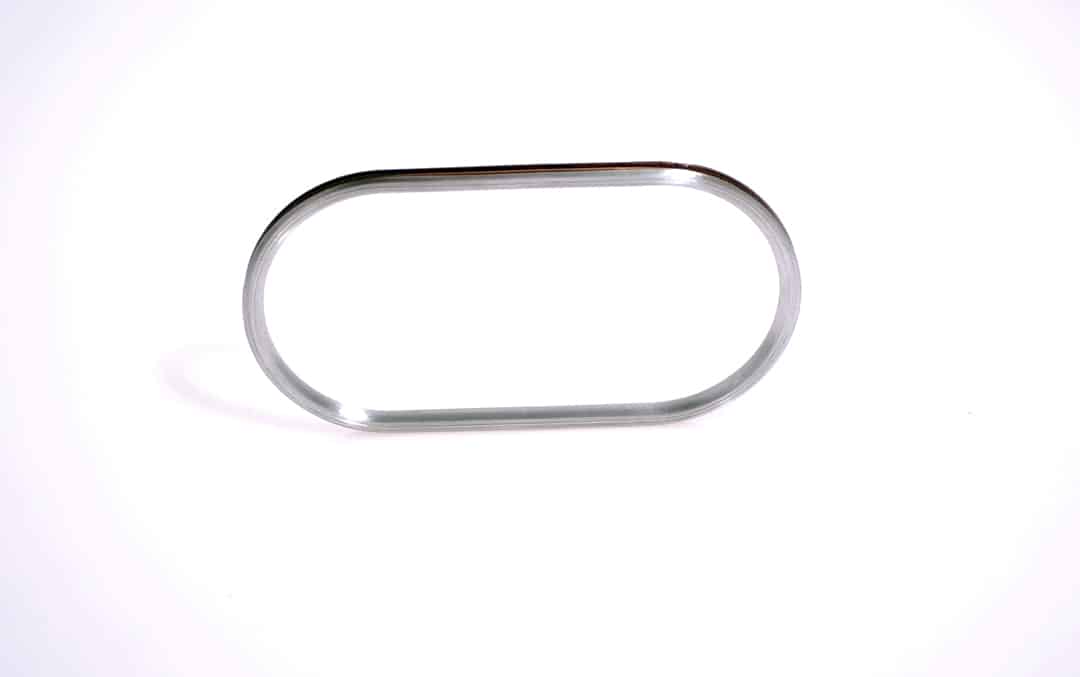
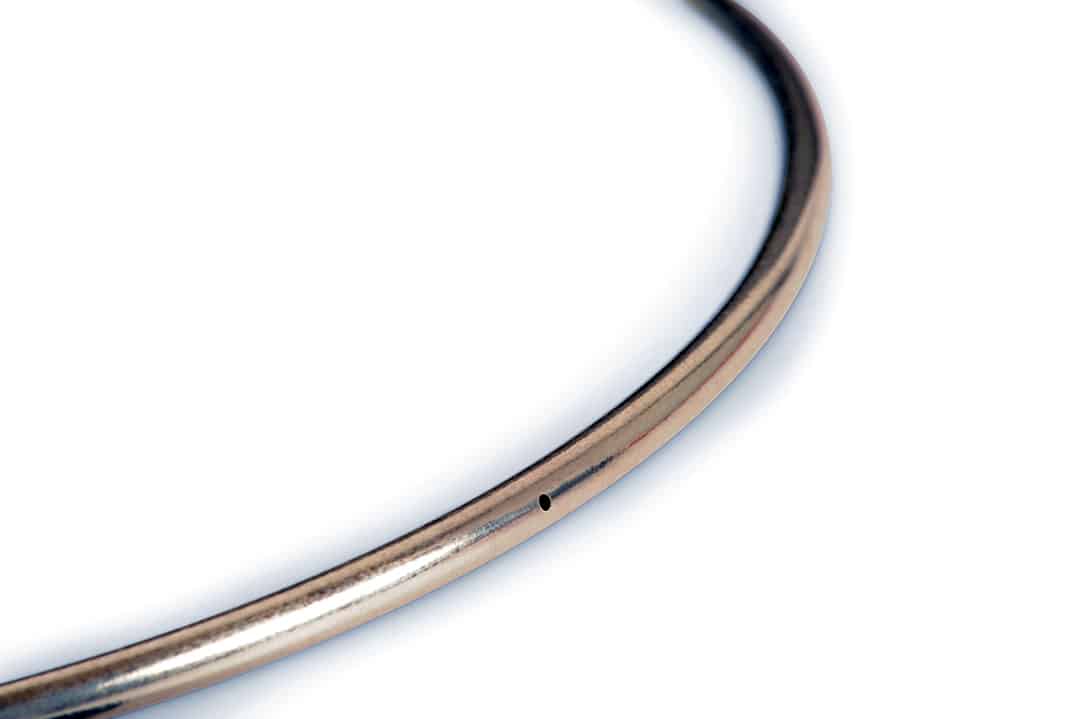
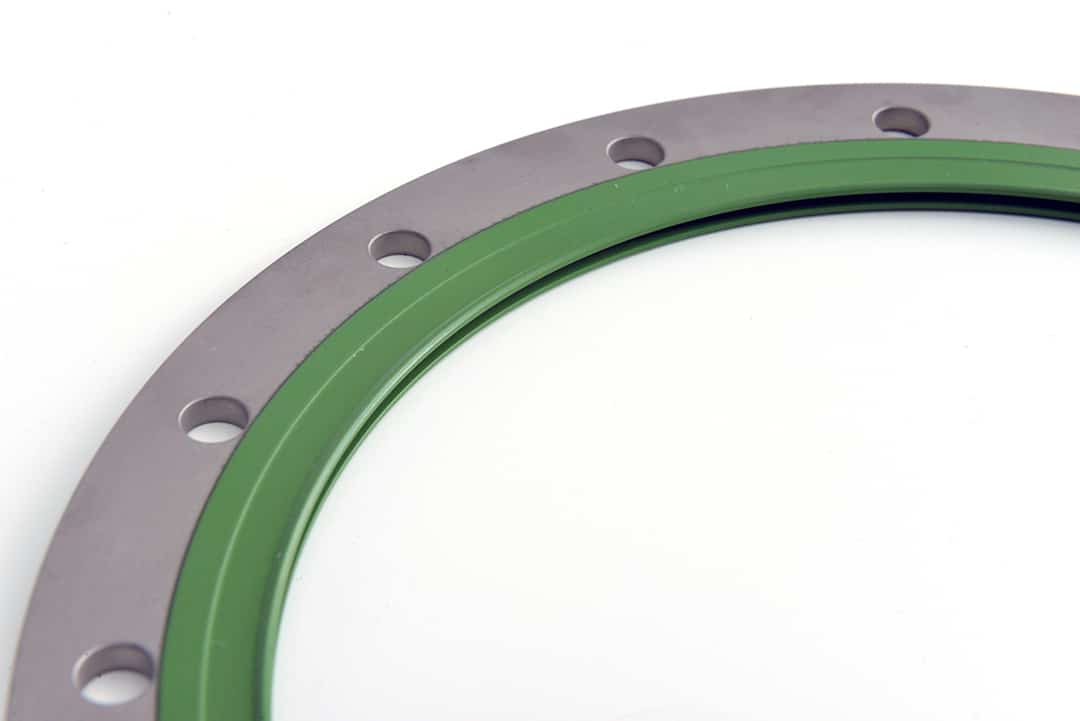
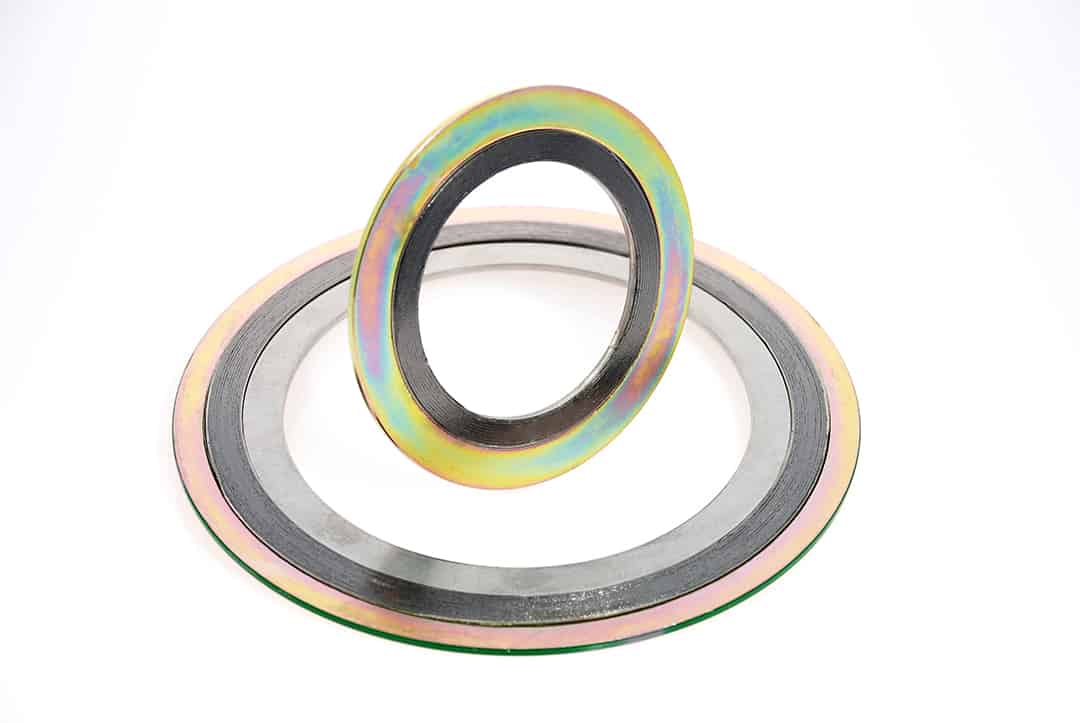
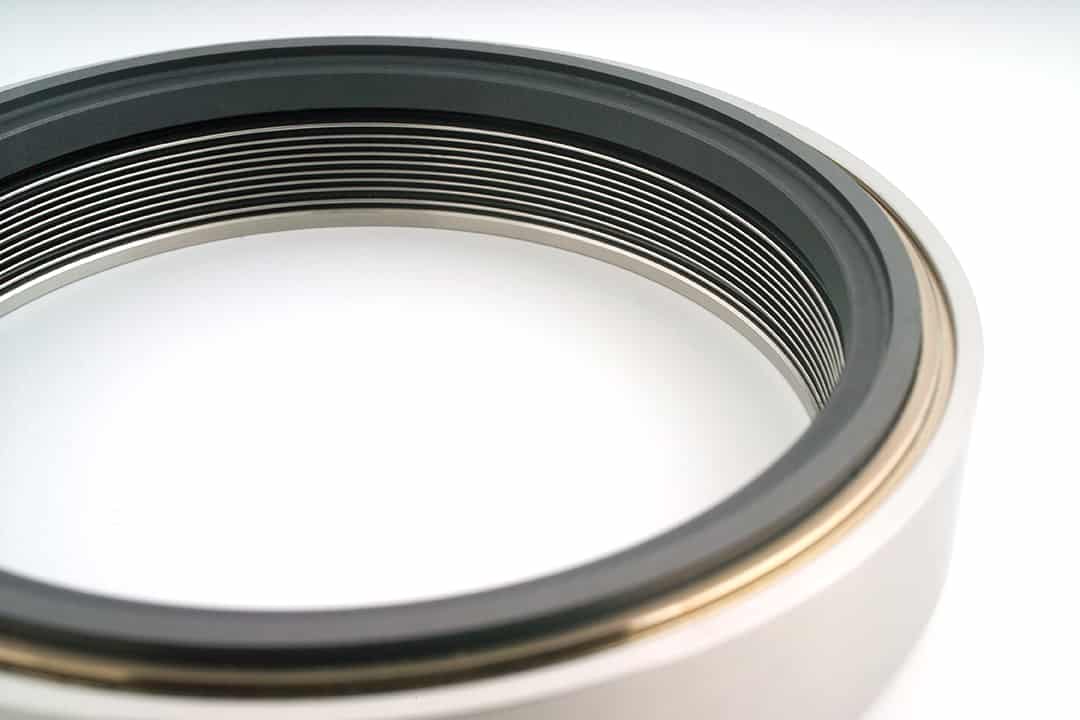
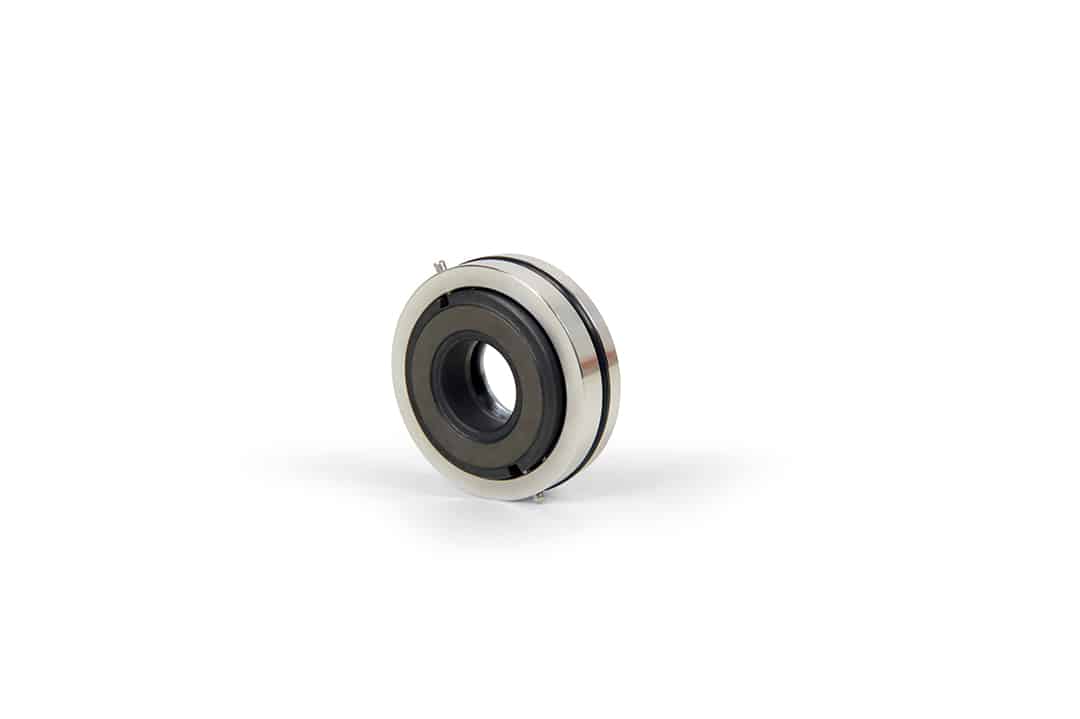
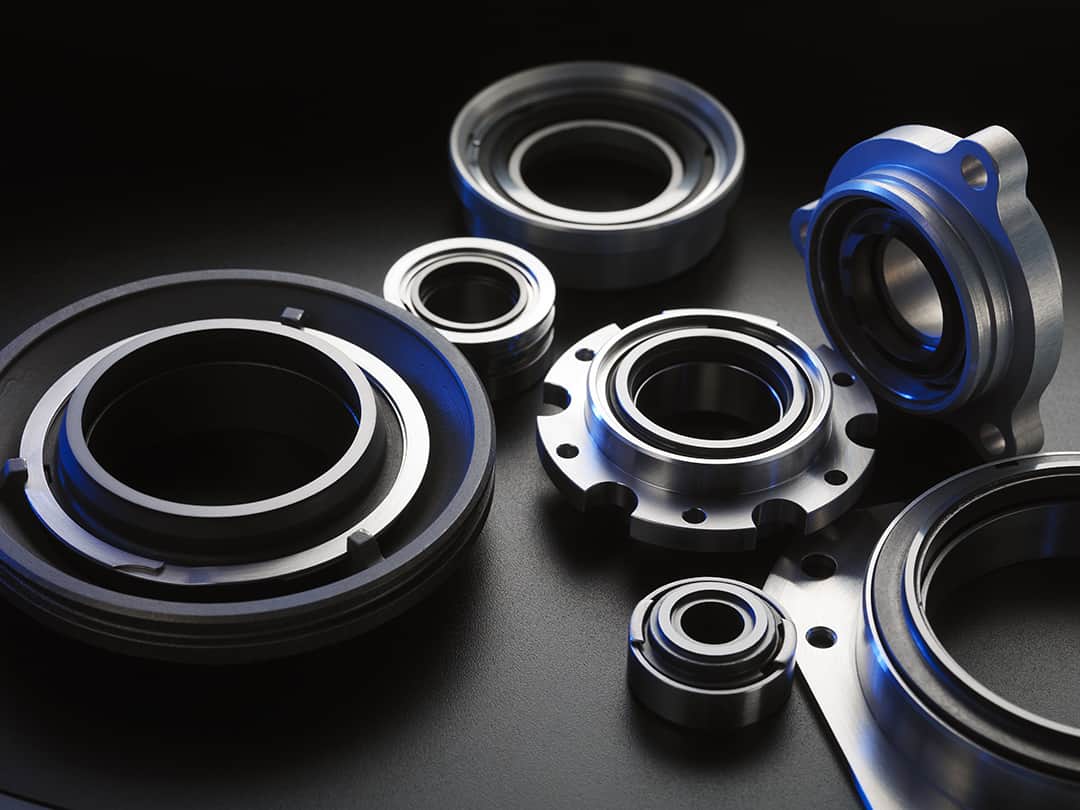
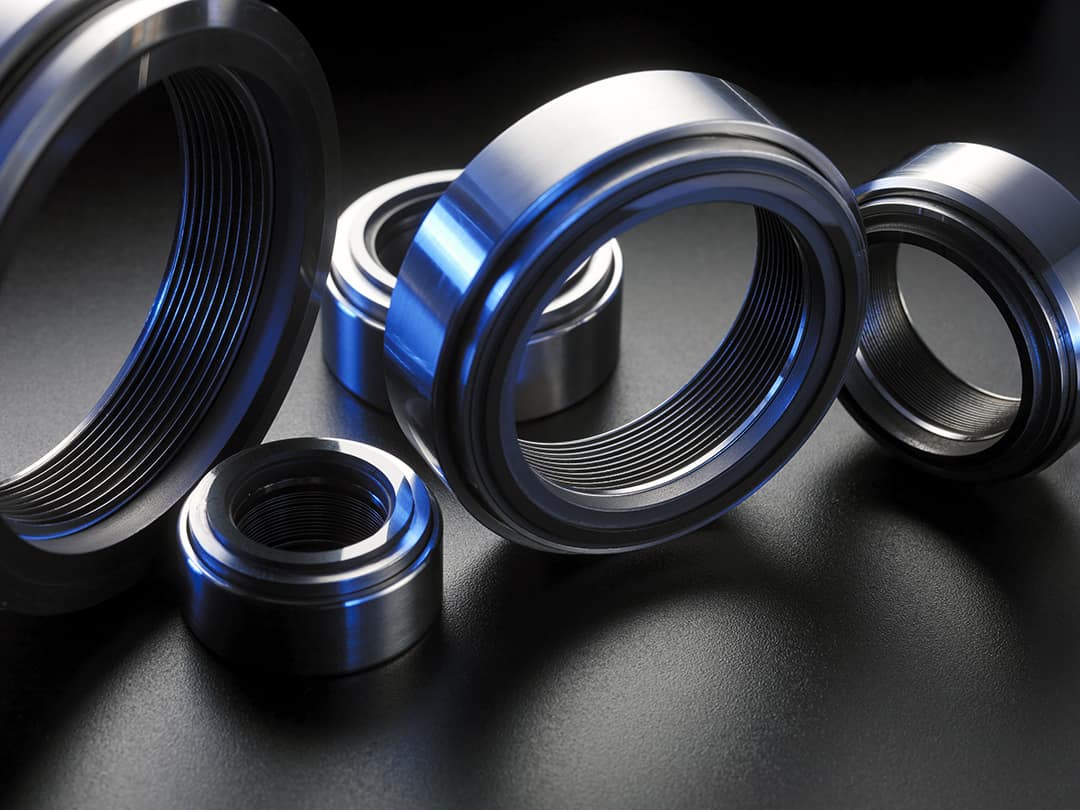
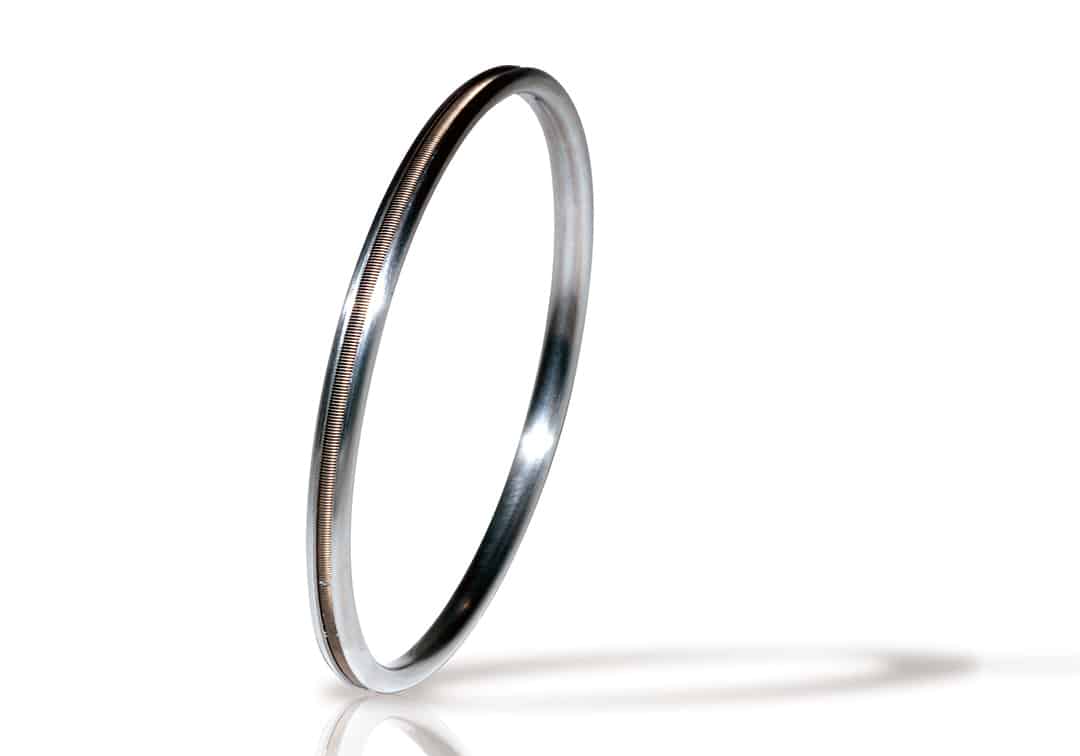
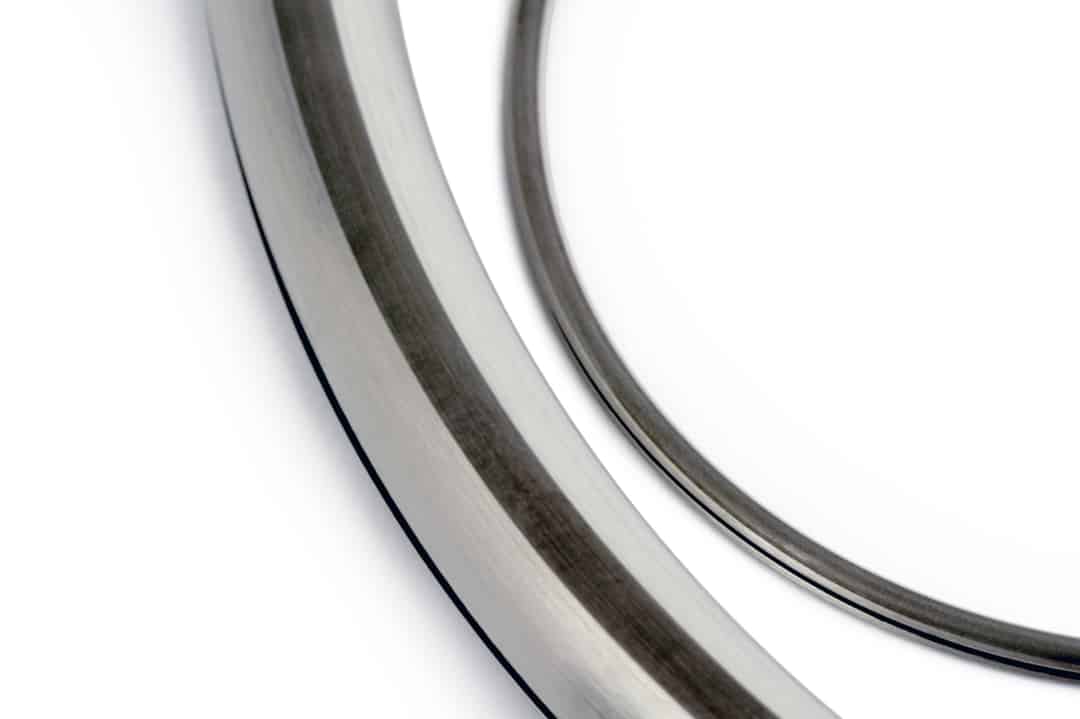
Technetics Group has served the nuclear industry for decades. Our HELICOFLEX® metal resilient seal, co-developed with the French Atomic Energy Commission (CEA), is the industry reference wherever leak-tightness, radiation resistance and multi-decade reliability are non-negotiable.

Overall Sealing Presentation — The Challenges Technetics Addresses in Nuclear

In nuclear, sealing is a safety-critical barrier, a last line of defense for control, cooling and containment.

Across every submarket, our solutions face different extremes: high temperatures and pressures, radiation, aggressive chemistries, UHV and cryogenics.

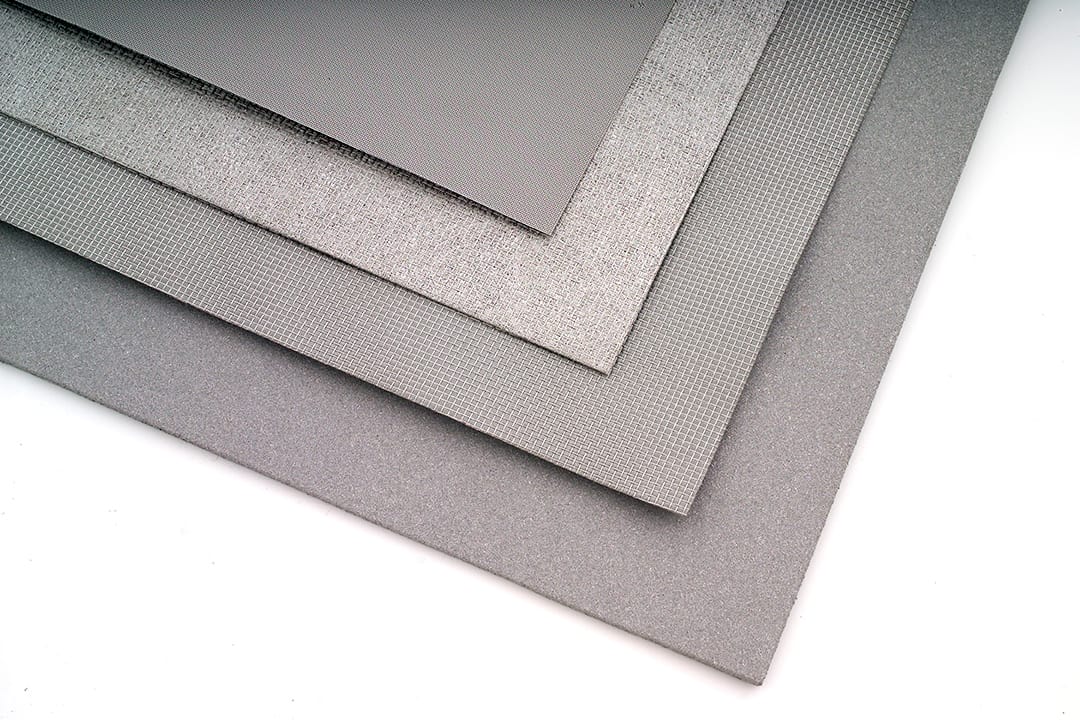
Technetics answers with HELICOFLEX®, ORIGRAF® and a full engineered portfolio, backed by our MAESTRAL® R&D lab, continuous CEA collaboration, and sovereign dual-sourcing between Europe and North America. Why Technetics Group.

Productivity

Shorter outages, factory-built modules, remote-handling-ready solutions, reusable seals, reducing the time, dose and cost of every intervention.

Reliability

Multi-decade installed base. Qualified products. Documented heritage : Oskarshamn, Doosan, DEMO, CEA, CERN-class infrastructure, spent fuel cask programs.

Betriebsbedingungen

Mastery of high pressure, cryogenics, radiation, UHV, tritium and aggressive chemistries, anchored by our MAESTRAL® R&D lab and CEA collaboration.
Conventional Nuclear

Submarket presentation

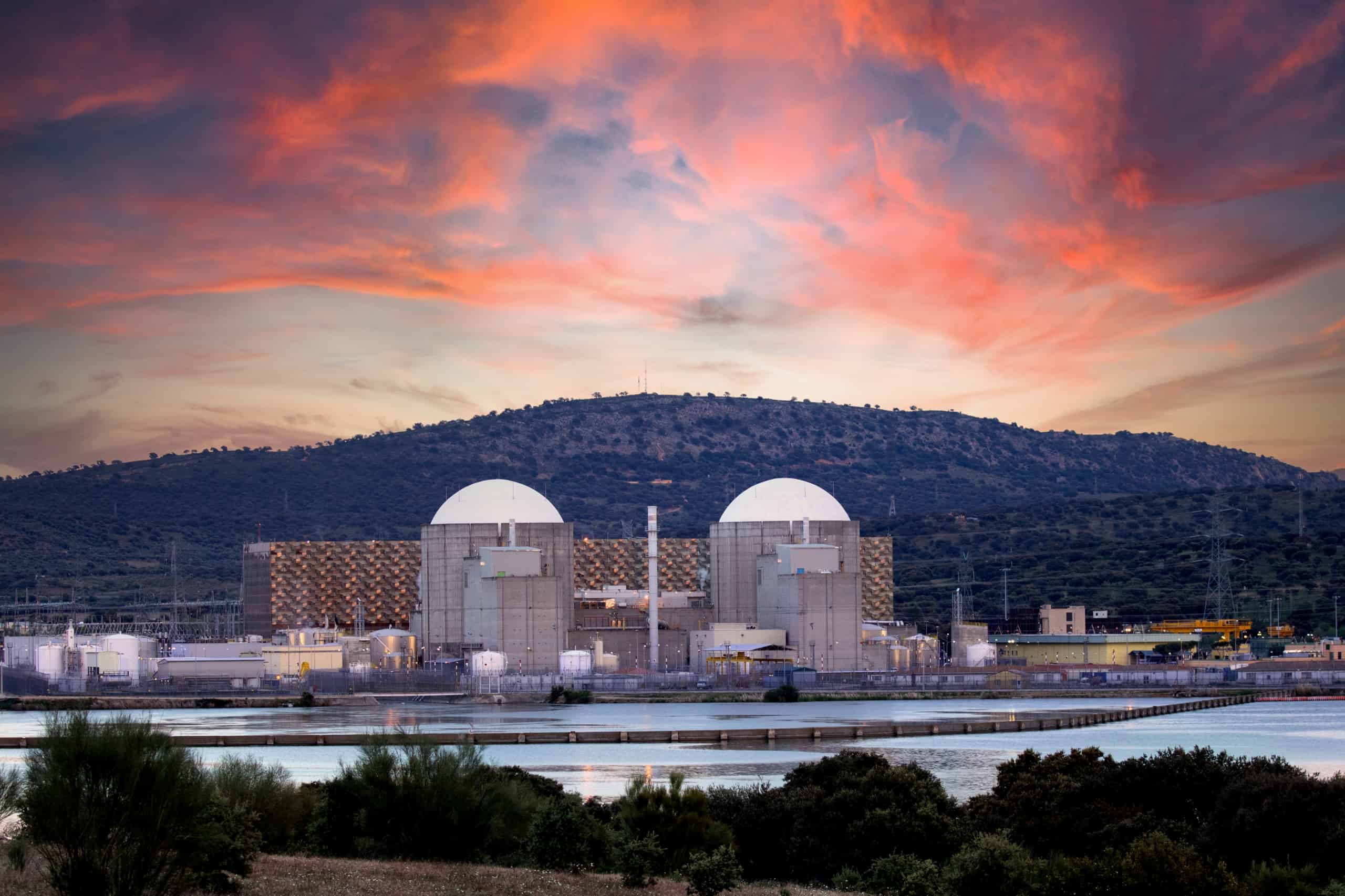
The installed fleet of PWRs and BWRs remains the backbone of low-carbon baseload generation. Most reactors are now in long-term operation (LTO) or license renewal, with utilities and reactor OEMs focused on sustaining safe operation while managing aging components and tightening regulatory oversight. Stakeholders: utilities, reactor OEMs, nuclear service providers. Decision drivers: plant availability, outage duration, license renewal, total cost of ownership.

Market problems applied to sealing — and why it matters for customers

Sealing in conventional nuclear operates under sustained high temperature (280–330 °C on the primary side), high pressure (up to ~155 bar in PWRs), decades of thermal and pressure cycling, and exposure to borated and lithiated water chemistry. Long operation drives cumulative fatigue, stress relaxation, radiation aging and stress corrosion cracking concerns, making qualification a multi-decade question. A single leak can cost millions per day of lost generation, extend an outage, and increase dose exposure.

How Technetics Group differentiates

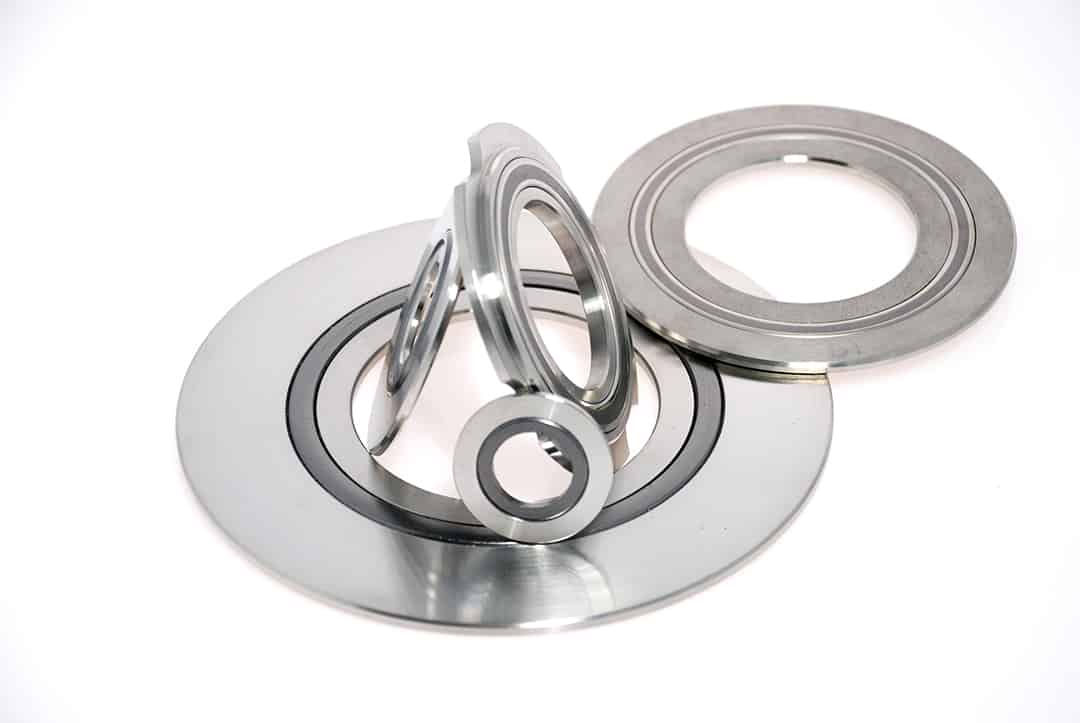
Technetics has supported the global LWR fleet for decades. HELICOFLEX® is deployed on RPV closures, pressurizers, primary pumps and containment interfaces across multiple reactor generations, with a proven life-extension record. We combine HELICOFLEX®, TEXEAL®, C-FLEX™, O-FLEX™, machined metal seals, ORIGRAF® and engineered sub-assemblies with on-site inspection, root cause analysis and replacement engineering, extending maintenance intervals, reducing dose and securing long-term spare-part availability.

Kleine modulare Reaktoren (SMR)

Submarket presentation

SMRs, light water, high-temperature gas-cooled, molten salt and lead-cooled, are reshaping the economics of nuclear energy. Factory-built, transportable modules promise shorter build times, lower financing risk, decarbonization of industrial heat and broader geographic deployment. Stakeholders: reactor technology developers, utilities, industrial off-takers. Decision drivers: first-of-a-kind licensing, industrial scalability, compressed certification timelines, supply chain sovereignty.

Market problems applied to sealing — and why it matters for customers

SMRs push sealing into envelopes with limited industrial heritage. HTGRs operate at 700–950 °C with helium coolant and trace impurities that drive corrosion and carburization. Molten fluoride salt reactors combine temperatures above 600–700 °C with highly corrosive chemistries attacking both seal bodies and sealing surfaces. Lead and lead-bismuth concepts add liquid-metal compatibility, erosion and embrittlement risks. On top of these envelopes, SMRs require qualification once and serial production many times. Missed timelines put financing and fleet economics out of reach.
How Technetics Group differentiates

Technetics engages with SMR developers from conceptual design, translating novel architectures into qualified, manufacturable solutions. Our decades of nuclear metal sealing expertise are directly transferable to advanced reactor environments, and analytical performance prediction shortens FOAK qualification cycles. The HELICOFLEX® family is extended to advanced-coolant and high-temperature envelopes, and our sovereign dual-sourcing between Europe and North America supports developers aligning with national industrial strategies as they scale from FOAK to fleet.

Kernfusion

Submarket presentation

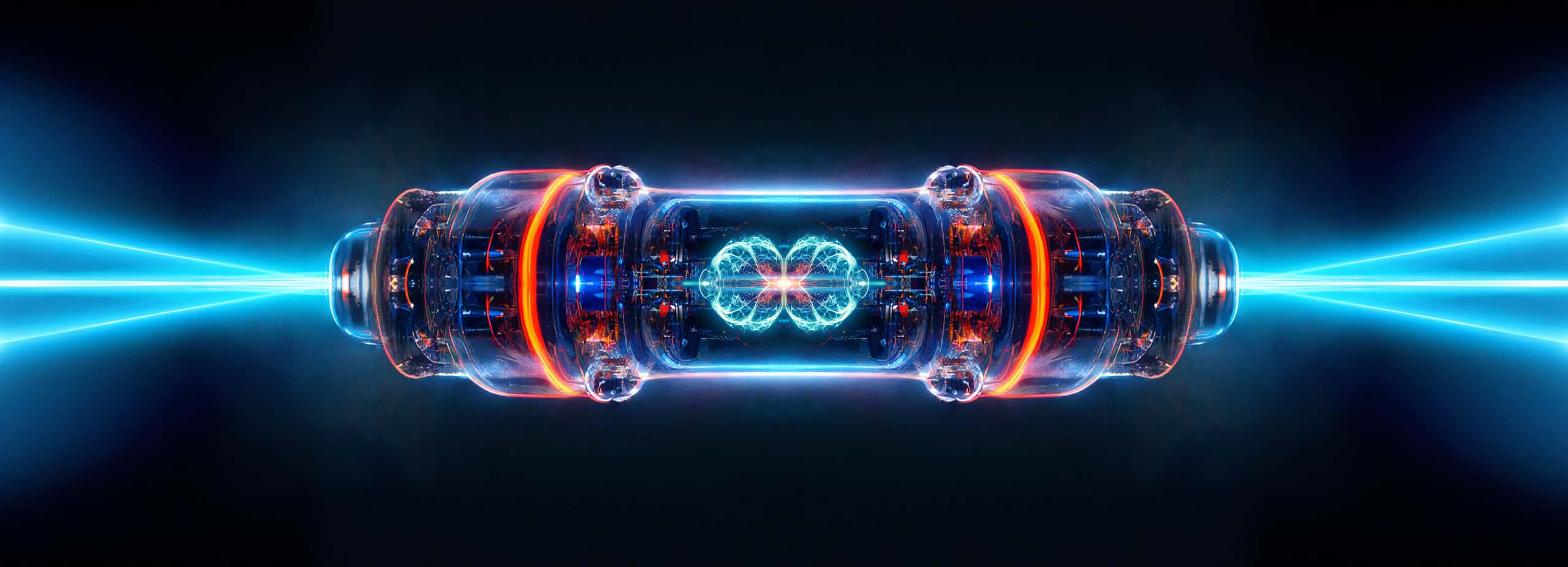
Fusion is moving from scientific demonstration to industrial engineering. From ITER and DEMO to private developers pursuing tokamaks, stellarators and alternative concepts, fusion demands components engineered at the boundary of what materials can tolerate. Stakeholders: international programs, national laboratories, private fusion developers. Decision drivers: machine operability, maintainability, qualification under representative conditions, the path to commercial power.

Market problems applied to sealing — and why it matters for customers

Fusion sealing combines ultra-high vacuum, cryogenics on superconducting magnets, intense neutron flux, tritium compatibility, high heat flux and repeated thermomechanical cycling. Remote handling adds another constraint: seals must be replaceable by robotic systems in radiation environments. A failure at a vacuum vessel port, cryogenic line, tritium boundary or remote-handled interface can set programs back by months.

How Technetics Group differentiates

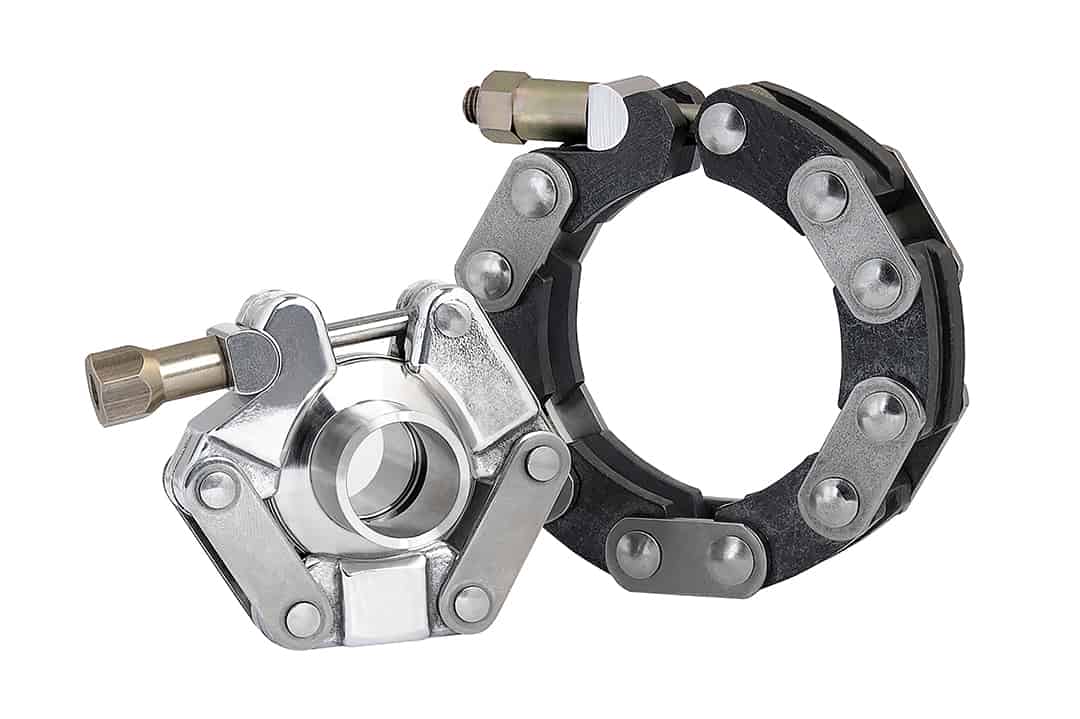
Technetics is one of the few industrial partners with a proven track record in fusion, including ITER and DEMO. HELICOFLEX® and HELICOFLEX® Delta are deployed at vacuum vessel ports, cryostat interfaces, cryogenic feedthroughs and tritium-relevant boundaries, complemented by custom machined seals and specialized sub-assemblies for remote-handled port plugs, blanket modules and divertor interfaces. We support fusion developers from concept through qualification, making fusion-grade sealing industrially deployable, not only experimentally achievable.

Big Science — CEA and Research Infrastructures

Submarket presentation

Particle accelerators, synchrotrons, neutron sources and research reactors operate at the frontier of what is physically measurable. Their performance depends on ultra-high vacuum, cryogenic stability and leak rates far below any industrial standard, sustained for years.

Market problems applied to sealing — and why it matters for customers

These facilities require helium leak rates typically below 1 × 10⁻⁹ mbar·L/s, held through bakeout, cryogenic gradients, radiation fluence and mechanical cycling. Interfaces must be cleanable, bakeable, sometimes reusable, and dimensionally stable. A single compromised seal on a beamline flange, accelerator cavity or cryostat port can invalidate experimental campaigns and consume irreplaceable beam time, a cost measured in years of research opportunity.

How Technetics Group differentiates

Our relationship with big science is foundational. HELICOFLEX® was co-developed with CEA, and our technologies are deployed across the world’s most ambitious research infrastructures, CERN beamlines, cryogenic distribution systems, CEA facilities, the Berkeley Lab Advanced Light Source accumulator ring. HELICOFLEX® Delta delivers the ultra-low leak rates required for UHV and cryogenics; HELICOFLEX® TEXEAL®, another joint CEA innovation, enables lower seating loads, better sealing performance and reusability. All continuously reinforced through our MAESTRAL® R&D lab and ongoing CEA collaboration

Casks — Spent Fuel Storage and Transportation

Submarket presentation

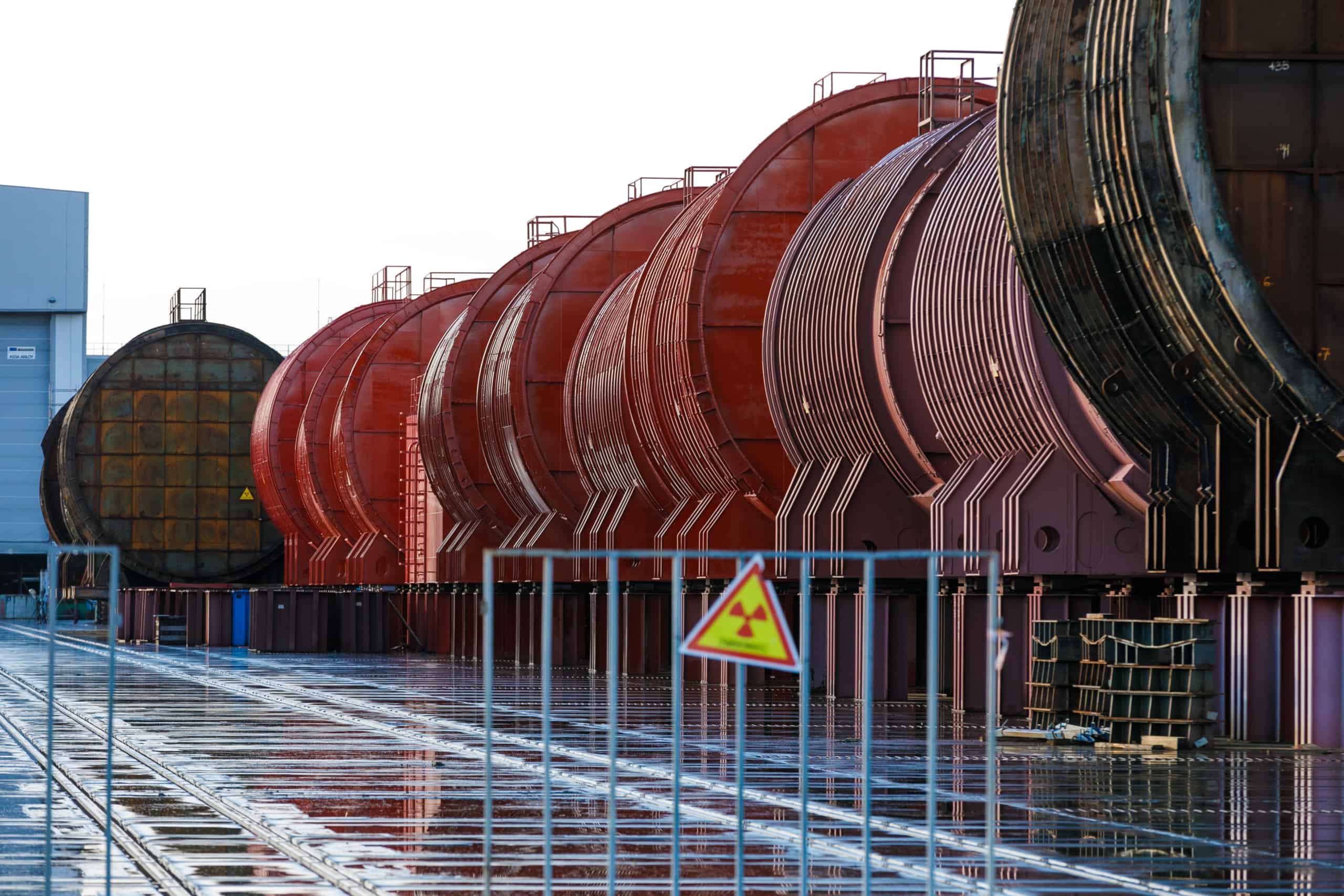
Casks for spent nuclear fuel, high-level waste and radioactive materials sit at the intersection of safety, regulation and logistics. Storage casks must hold containment over 40 to 100 years; transport casks must survive regulatory drop, fire, immersion and puncture scenarios under IAEA SSR-6. Stakeholders: cask designers, utilities, waste management agencies, transport operators. Decision drivers: licensed leak-tightness over multi-decade service, survival of accident scenarios, full qualification traceability.

Market problems applied to sealing, and why it matters for customers

Every lid closure, secondary lid and penetration is a licensed safety barrier. Sealing must hold under decay heat, thermal cycling, radiation, potential corrosion from residual moisture, and, for transport casks, mechanical shock, vibration and accident-scenario thermal loads. The qualification dossier written today must remain defensible decades into the future.

How Technetics Group differentiates

Technetics is a long-standing partner to cask designers and operators, with HELICOFLEX® deployed on spent fuel and transportation casks from leading OEMs and national nuclear operators. Our case studies, including Essential Spent Nuclear Fuel Storage Requirements, demonstrate our ability to engineer custom metal sealing for primary and secondary lids, penetrations and drain/vent ports, fully qualified against applicable regulations. Full traceability, configuration control and long-term spare-part strategies are core to how we support cask programs.

Nuclear Fuel Cycle

Submarket presentation

The fuel cycle is the industrial backbone of the nuclear sector. From conversion and enrichment, to fuel fabrication (including MOX and HALEU), through reprocessing and waste conditioning, each step operates in highly specific chemical, radiological and thermomechanical environments. Stakeholders: fuel cycle operators, national nuclear agencies, strategic industrial groups. Decision drivers: plant availability, worker protection, environmental compliance, sovereignty of strategic assets.

Market problems applied to sealing — and why it matters for customers

Fuel cycle sealing coexists with fluorinated compounds (UF₆, HF), concentrated nitric acid, organic solvents (TBP and diluents), aggressive gases, radioactive aerosols and mixed-oxide powders, all under tight confinement and ALARA constraints. Campaigns run continuously for months with minimal intervention windows and high dose cost. Sealing failures translate directly into availability loss, exposure events, environmental reporting, and in the worst cases shutdown of strategic infrastructure.

How Technetics Group differentiates

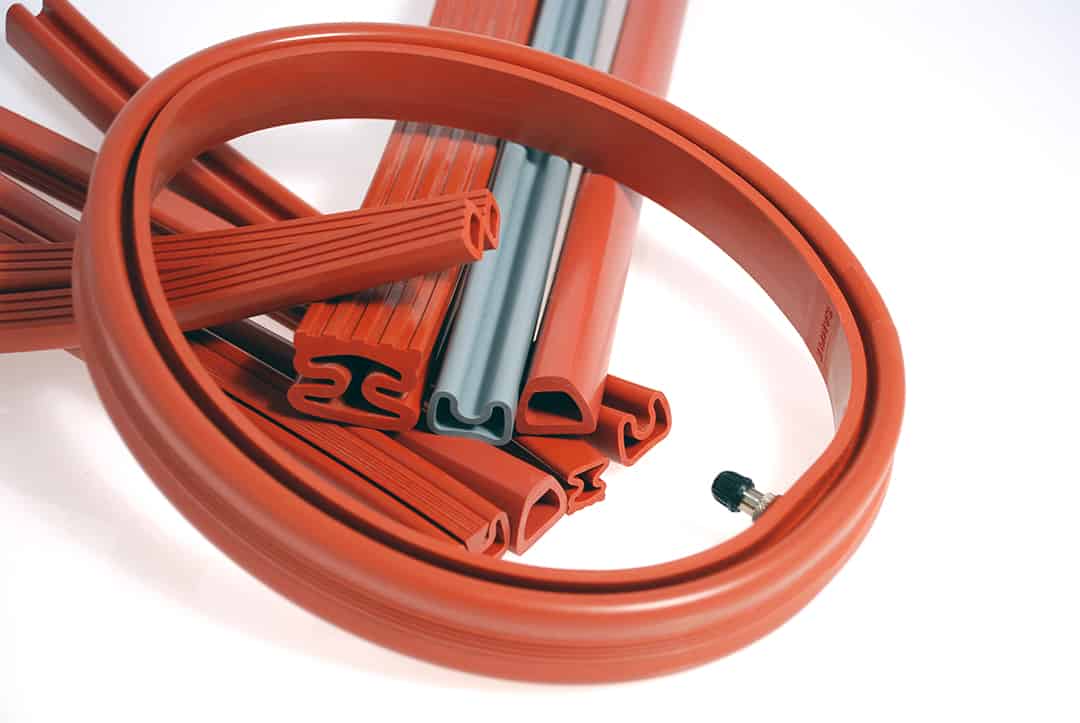
Technetics has supported the fuel cycle since its earliest days, with HELICOFLEX®, ORIGRAF® graphite seals, machined metal seals, elastomer and CEFIL’AIR® inflatable seals, and engineered sub-assemblies deployed across conversion, enrichment, fabrication, reprocessing and waste management facilities, notably across major European fuel cycle infrastructure. Our teams bring deep expertise in chemical compatibility, radiation aging and design for hot-cell and glovebox environments. Sovereign dual-sourcing between Europe and North America directly supports strategic capacity programs (enrichment, HALEU, MOX, reprocessing, waste conditioning).

Fallstudien